


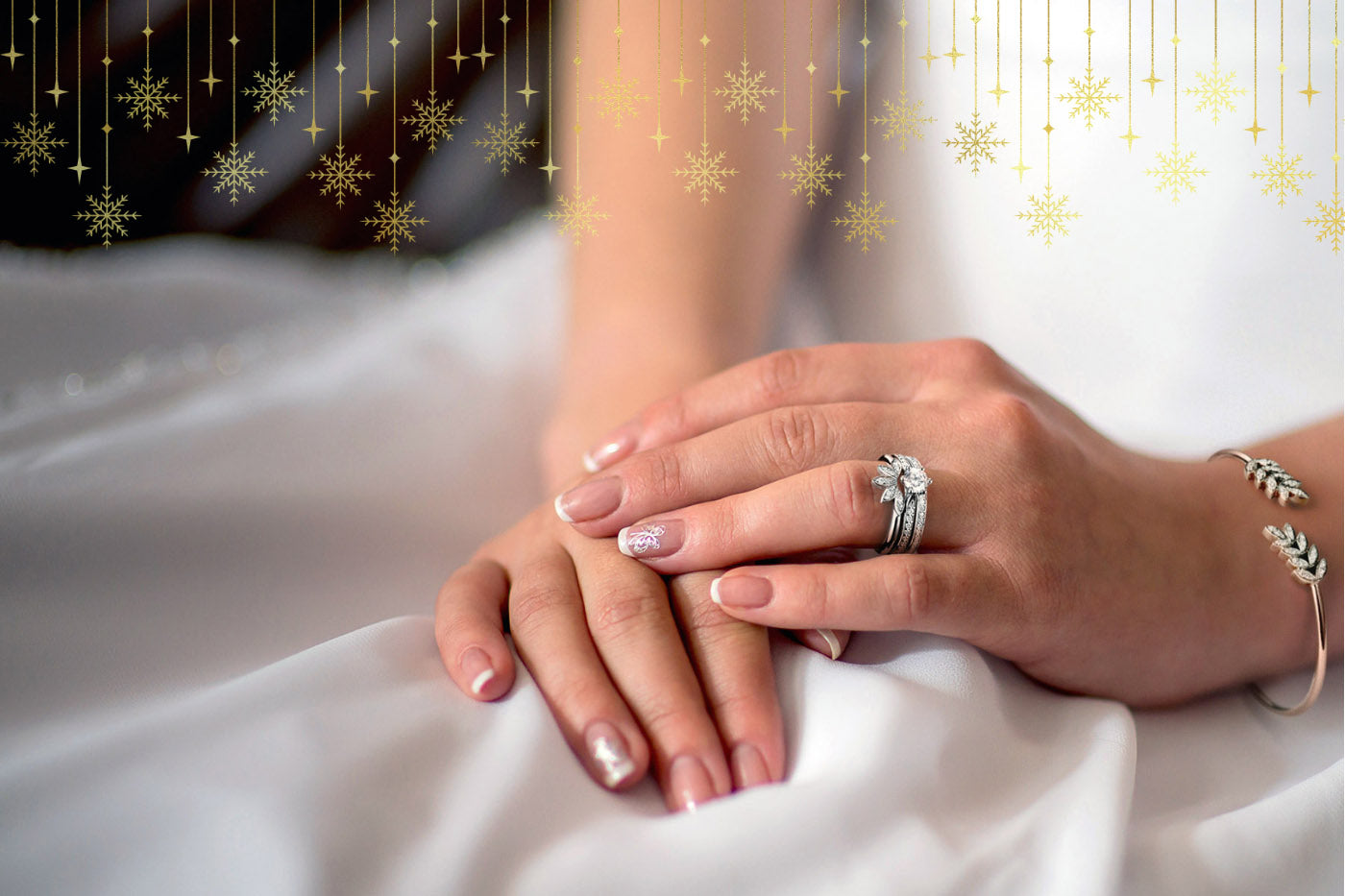

The metal you choose for an engagement ring affects not just its appearance but its durability, maintenance requirements, and how it interacts with the diamond. Understanding the differences will help you make a choice that suits your partner's style and lifestyle for the long term.
At JQ Diamonds, our engagement ring settings are available in platinum, 18ct white gold, 18ct yellow gold, and 18ct rose gold. Here's what distinguishes each one.
Platinum
Platinum is the premium choice for engagement rings. It is naturally white, extremely dense, and more durable than gold. Unlike white gold, platinum does not require rhodium plating to maintain its colour — it stays white throughout its life.
When platinum scratches, the metal is displaced rather than lost. This means a platinum ring develops a natural patina over time — a soft, slightly matte lustre that many people find beautiful. The metal can be repolished to restore its original shine at any point.
Platinum is hypoallergenic, making it ideal for people with sensitive skin. It is also the most secure metal for holding diamond settings, which is why it is the preferred choice of many jewellers for high-value stones.
The main consideration with platinum is price — it is typically 30–50% more expensive than 18ct gold for the same setting. Its density also makes it heavier on the finger, which some people love and others find uncomfortable.
Best for: those who want the most durable, low-maintenance option and are happy to pay a premium for it.
18ct White Gold
White gold is yellow gold alloyed with white metals — typically palladium or nickel — to achieve a white appearance. It is then rhodium plated to give it the bright, reflective white finish most people associate with white gold.
18ct white gold contains 75% pure gold. The remaining 25% is the alloy mix that gives it its colour and hardness. It is lighter and less expensive than platinum while delivering a very similar aesthetic when new.
The main practical consideration with white gold is that the rhodium plating gradually wears away over time, particularly on the underside of the band, which can reveal a slightly warmer tone beneath. Replating is a simple, inexpensive process — most jewellers recommend it every one to two years for rings in daily wear.
Best for: those who want the look of platinum at a lower price point, and who are comfortable with occasional replating.
18ct Yellow Gold
Yellow gold is the most traditional engagement ring metal and has seen a significant resurgence in popularity. Its warm tone pairs beautifully with round brilliant and oval diamonds, and it complements most skin tones — particularly warmer complexions.
18ct yellow gold is durable enough for daily wear while retaining a richness of colour that lower-carat golds lack. It requires no plating and its colour is entirely natural and permanent.
Yellow gold is also forgiving when it comes to diamond colour grades — as discussed in our 4Cs guide, the warm tones of yellow gold mean you can often choose a G–J colour diamond without any visible warmth against the setting.
Best for: those drawn to a warm, classic aesthetic, or who want a metal that requires minimal maintenance.
Platinum
The Premium Choice
Naturally white, extremely dense, and the most durable of all ring metals. Develops a natural patina over time and never needs replating.
- Naturally and permanently white
- Most durable for daily wear
- Hypoallergenic
- No replating ever required
- Heavier on the finger
18ct White Gold
Classic & Affordable
Yellow gold alloyed to appear white, then rhodium plated. Virtually identical to platinum when new at a significantly lower price.
- 50–70% less expensive than platinum
- Identical look when new
- Lighter weight
- Requires rhodium replating every 1–2 years
18ct Rose Gold
Rose gold achieves its distinctive warm pink tone through an alloy of yellow gold and copper. The higher the copper content, the deeper the rose hue. 18ct rose gold typically has a subtle, elegant blush tone rather than a deep red.
Rose gold has become one of the most popular engagement ring metals over the past decade, appreciated for its romantic warmth and its flattering effect on most skin tones. It pairs particularly well with oval, pear, and cushion cut diamonds.
Like yellow gold, rose gold requires no plating and its colour is entirely natural. It is durable, hypoallergenic for most people, and ages gracefully. The copper content means it is slightly harder than yellow gold, which reduces the rate at which it scratches.
Best for: those who want a distinctive, romantic aesthetic that stands out from the traditional white metal options.
Which Metal Should You Choose?
The decision usually comes down to three factors: aesthetic preference, maintenance commitment, and budget.
If your partner wears silver jewellery, they will likely prefer platinum or white gold. If they wear yellow or mixed metals, yellow or rose gold may feel more natural. If they have very pale skin, cooler metals like platinum and white gold often look particularly striking. Warmer skin tones tend to suit yellow and rose gold beautifully.
Our specialists can help you navigate this — and if you're genuinely unsure, we'd recommend coming in to see the metals in person. The difference between platinum and white gold is immediately apparent when you hold them side by side.
The right metal is the one that suits the person wearing it. We'll help you find that — it usually takes about five minutes once we know a little about their style.
JQ Diamonds, In-House Specialists
Want to See the Metals in Person?
Visit our showroom and we'll show you every metal option side by side.


